

 Français



How To Correctly Adjust Your Car Seat
Adjusting your car seat helps reduce discomfort and back pain
To adjust your car seat properly and enjoy a comfortable driving position, here are a few adjustments to make before hitting the road.
How to set my car seat?
Here are some practical tips and the recommended order for adjusting your car seat:
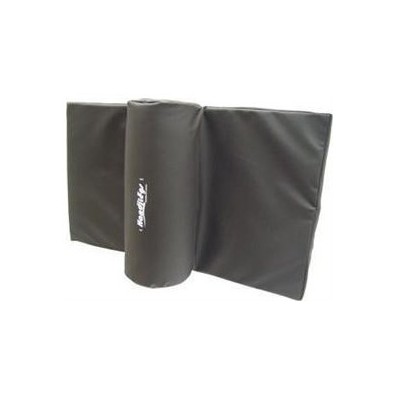
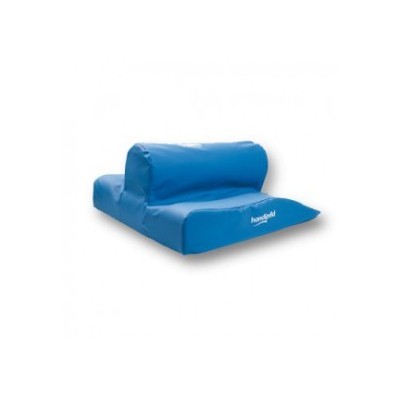
Start by adjusting the height of your car seat. The higher your seat is positioned, the wider your field of vision will be. However, make sure to leave enough space between your head and the roof to avoid hitting it when driving over bumps or potholes. Increasing the seat height also raises your pelvis above your knees, which helps reduce pressure and compression on the spine and can prevent back pain while driving. For shorter drivers, a car seat cushion can help raise the pelvis and improve posture.
Next, adjust the distance of the seat by moving it forward or backward so you can reach the steering wheel and pedals without fully extending your arms or legs. It is recommended to keep about 25–30 cm between your chest and the steering wheel to avoid injury from the seatbelt or airbag deployment in case of a collision.
Another useful guideline: your arms should remain bent at roughly a 90° angle to reduce tension in the shoulders and neck.
Car seat setting to avoid pain while driving
We recommend slightly tilting the car seat backward to reduce pressure on the intervertebral discs and open the pelvis. Your back should rest fully against the car seat backrest and feel supported without creating pressure on your spine.
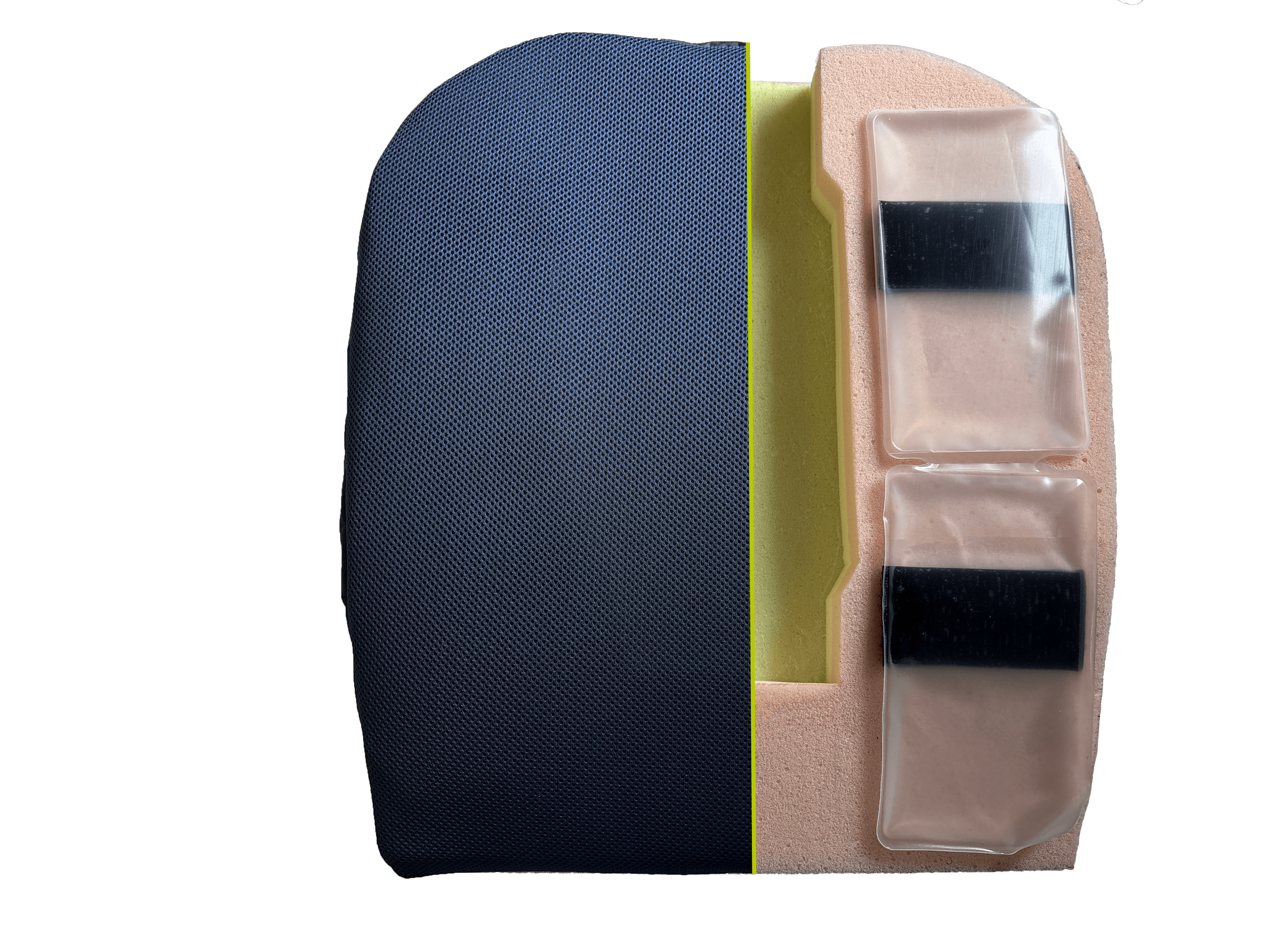
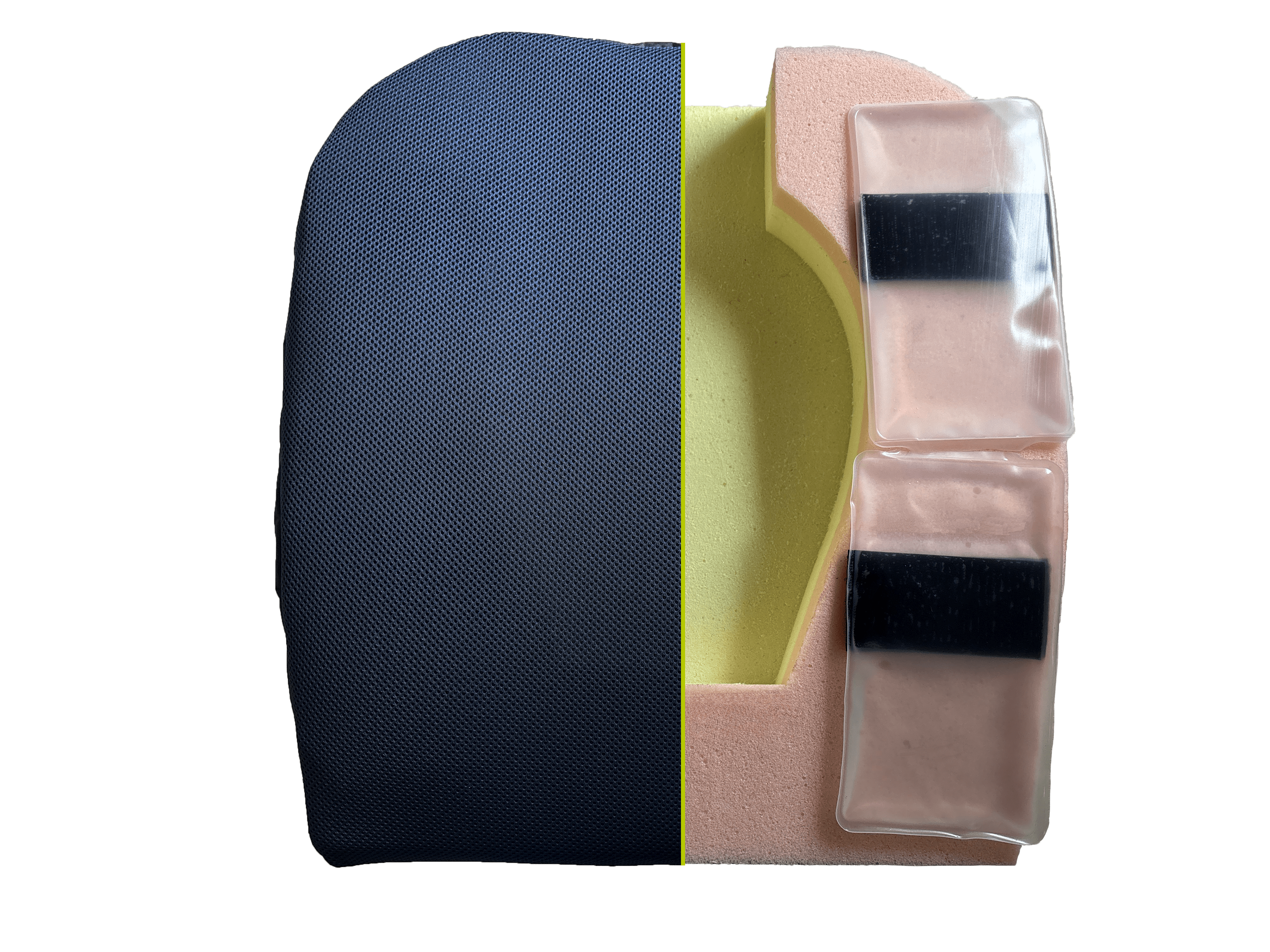
To further protect your back, you can use a lumbar support cushion or an ergonomic backrest cushion to improve comfort and spinal support.
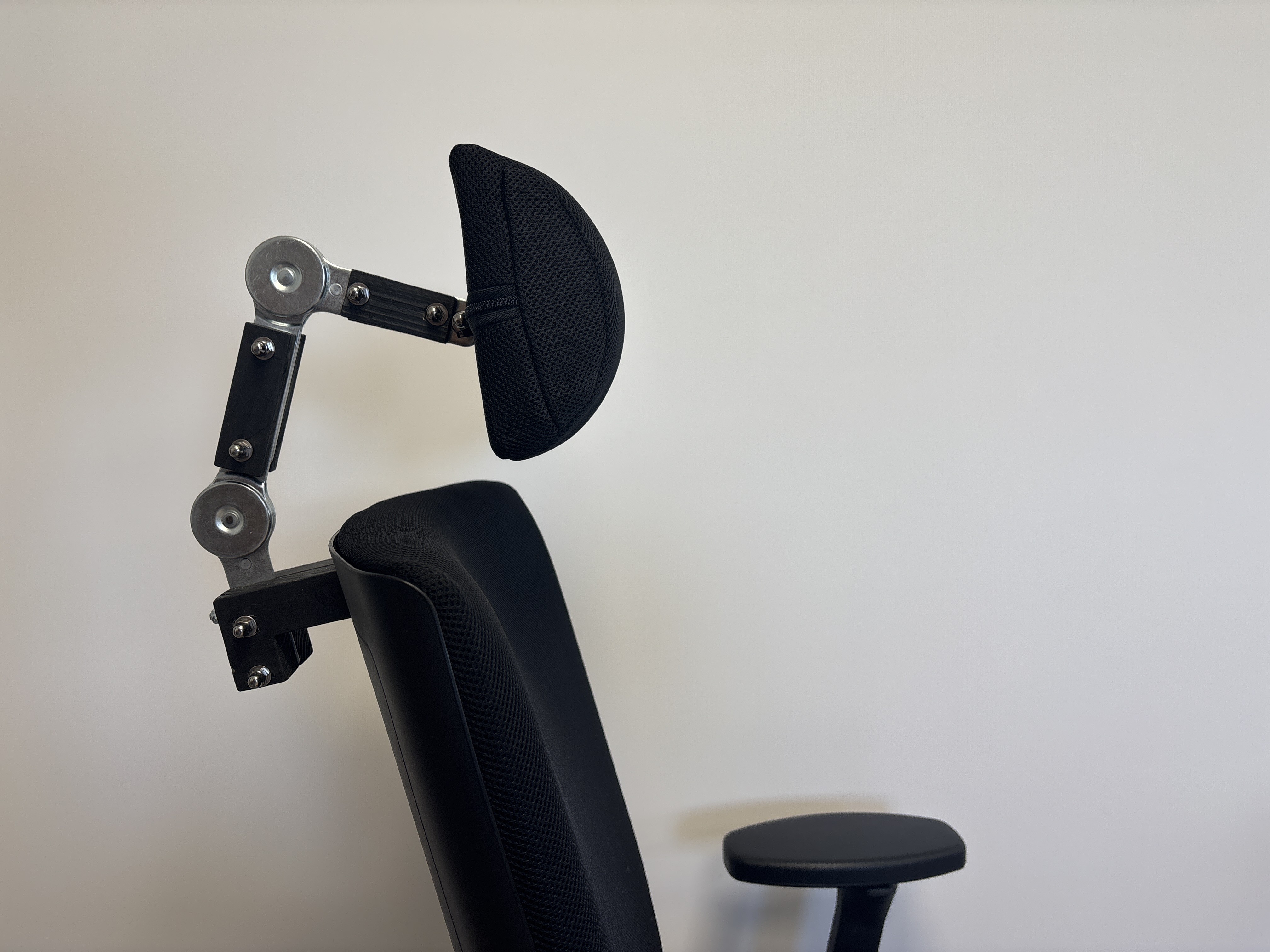
As for the car headrest, it is often overlooked and poorly adjusted. To solve this problem, Ergotech has designed a portable car headrest cushion that can be placed directly on your seat. This equipment increases the thickness of your headrest to support the head and neck. It also prevents the head from moving too far backward and helps reduce the risk of injury in case of a collision.
Adjusting your car seat depending on your driving style
For better comfort while driving, you can also adapt your seat and steering wheel adjustments depending on your driving conditions (city driving or highway driving).
The steering wheel should be easy to reach without stretching or bending your arms too much and without creating shoulder tension. For city driving, position the steering wheel slightly higher to make frequent manoeuvres easier. For long and monotonous highway driving, you can lower the steering wheel slightly to relax your arms.
A final tip to reduce discomfort while driving: take a break every two hours. Use this time to walk around and perform light stretches to relax your muscles.
Bonus: The best car for ergonomic driving
Looking for a new car? Here are some criteria to consider for choosing a comfortable and ergonomic vehicle.
Getting in and out easily: the first criterion of an ergonomic vehicle
The first thing to check when evaluating a car is how easy it is to enter and exit the vehicle:
- Is the seat too high or too low?
- Is it easy to sit down comfortably in the seat?
- If the vehicle is tall, is there a step to help you climb in?
All these questions should help guide your choice to ensure maximum driving comfort.
Once inside the vehicle, make sure the cabin is spacious enough for you to feel comfortable. Check that you have enough room to extend your legs and arms and that there is sufficient headroom to avoid hitting the roof when driving over bumps.
What car seat should you choose?
The shape of the seat is also an important factor when evaluating the ergonomics of a car. The seat cushion should be long and wide enough to properly support your thighs. If not, make sure it is possible to adjust the seat depth.
Then check the car seat backrest: it should be high enough to support your back and shoulders, and the headrest should provide adequate support for your head.
FAQ: Car seat adjustment and driving posture
What is the correct driving position?
Keep in mind that there is no universal correct position, the correct position may depend on each bdy type and specific conditions. However, you should be able to reach the steering wheel and pedals without stretching your arms or legs. Your back should rest against the seat backrest, your arms should be slightly bent, and your head should remain supported by the headrest.
How far should you sit from the steering wheel?
Drivers should keep approximately 25 to 30 cm (10 to 12 inches) between their chest and the steering wheel. This distance helps reduce the risk of injury in case of airbag deployment during a collision.
How do I adjust my car seat to avoid back pain?
To avoid back pain while driving, raise the seat slightly so that your hips are level with or higher than your knees. Tilt the backrest slightly backward and make sure your lower back is supported with a lumbar cushion if necessary.
Why does my back hurt when driving?
Back pain while driving is often caused by poor posture, insufficient lumbar support, or prolonged sitting without breaks. Adjusting your seat properly and using ergonomic cushions can significantly reduce discomfort. Shocks and vibrations while driving also cause back pain
How often should you take breaks during long drives?
We recommend to take a break at least every two hours during long drives. Walking and stretching during these breaks helps reduce muscle tension and improves blood circulation.