

 Français

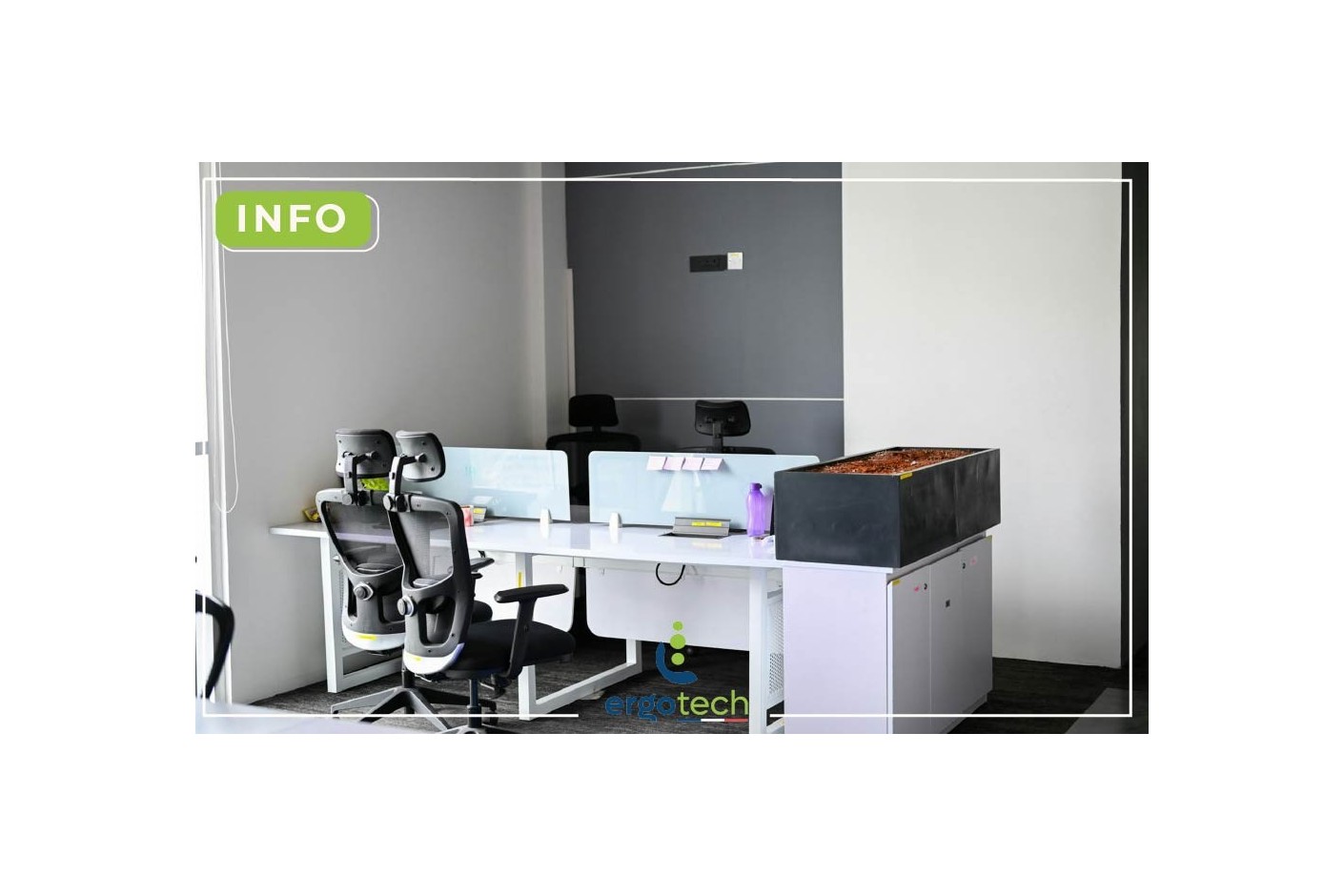
Acoustic Insulation: Standards and Indicators For a Comfortable and High-Performance Work Environment
Open-plan offices, flex office layouts, glass meeting rooms and collaborative spaces… Modern workplaces encourage interaction, but they also generate new sources of noise. Background noise, unwanted conversations and sound reverberation have a direct impact on concentration, productivity and employee well-being.
To address these challenges, office acoustic insulation and sound correction standards guide offices design. They serve as reference frameworks for companies, architects and workplace designers when creating more efficient and comfortable working environments.
This article reviews the main acoustic standards applicable to office environments, their objectives, and the practical solutions available to ensure compliance.
Table of Contents
Acoustic Insulation vs Sound Correction: An Essential Distinction
Before addressing standards, it is important to distinguish between two concepts that are often confused.
Acoustic Insulation: Limiting Sound Transmission
Acoustic insulation aims to prevent noise from travelling from one space to another. It mainly concerns:
- • partitions between offices,
- • meeting room walls,
- • separation between quiet areas and lively zones.
It plays a key role in ensuring confidentiality and respecting professional privacy.
Sound Correction: Improving Acoustic Comfort
Sound correction aims to reduce sound reverberation within a space. Poor acoustic treatment can lead to:
- • constant background noise,
- • auditory fatigue,
- • poor speech intelligibility.
Sound-absorbing acoustic panels (wall-mounted, suspended or freestanding) are among the most effective solutions to address these issues.
Office acoustic standards always rely on a balanced combination of insulation and absorption.
Which Acoustic Standards Apply to Office Environments?
NF EN ISO 22955: Acoustics in Open-Plan Offices
The NF EN ISO 22955 standard is an international standard specifically dedicated to open-plan office acoustics. Published in 2021, it addresses the limits of purely technical approaches by focusing on the actual user experience.
ISO 22955 mainly addresses:
- • speech propagation,
- • sound distraction,
- • acoustic privacy in open-plan offices.
Key indicators defined by ISO 22955 include:
- • Distraction distance (rD): the distance beyond which a conversation becomes disturbing for another workstation.
- • Spatial decay rate (D2,S): the ability of a space to attenuate sound over distance.
- • Speech sound level (Lp,A,S): the perceived intensity of conversations at a given distance.
These indicators highlight the central role of acoustic panels, partition systems and acoustic furniture in improving open-plan office comfort.
Key Acoustic Performance Indicators
To understand and apply acoustic standards, certain indicators are essential.
Sound Insulation (DnT,A)
This measures the ability of a partition or wall to block noise between two spaces. The higher the value, the better the insulation.
Essential for:
- • office partitions,
- • meeting rooms,
- • confidential areas.
Reverberation Time (RT)
This corresponds to the time it takes for sound to fade away in a room. Excessive reverberation leads to fatigue and poor speech intelligibility. Acoustic panels play a key role here.
Sound Absorption Coefficient (αw)
This indicates a material’s ability to absorb sound.
- • αw close to 1: excellent absorption
- • low αw: reflective material
In Practice, How To Meet Acoustic Standards?
Assessing the Existing
An acoustic assessment makes it possible to identify:
- • noise sources,
- • insulation weaknesses,
- • reverberation issues.
Choosing Appropriate Solutions
Acoustic furniture and solutions should clearly display:
- • performance values (DnT,A, αw),
- • compliance with relevant standards,
- • laboratory test results.
Combining Insulation and Absorption
A partition alone is not always sufficient. Neither is an acoustic panel on its own. It is the intelligent combination of both that allows the performance levels required by standards to be achieved.
Why Acoustic Standards are Also a Lever for HR Performance
Beyond regulatory compliance, meeting acoustic standards:
- • reduces stress and cognitive fatigue,
- • improves concentration,
- • enhances the quality of interactions,
- • strengthens the attractiveness of workspaces.
Effective acoustic treatment has become a genuine employer branding asset.
Conclusion: Anticipating Acoustic Standards for Better Offices
Office acoustic insulation standards are not merely technical constraints. They provide an essential reference framework for designing efficient, comfortable and sustainable workplaces.
By integrating high-performance acoustic partitions and appropriate sound-absorbing panels from the design phase, organisations can meet regulatory requirements while significantly improving the user experience.