

 Français



Sacrum: Everything You Need to Know About This Essential Bone and Its Disorders
The sacrum is a crucial bone in the human skeleton, central to our balance, posture, and mobility. Located at the base of the spine, it plays a fundamental role in connecting the upper body to the lower limbs.
Understanding its structure, function, and the conditions that can affect it helps you better manage pain and adopt healthier habits in terms of posture and prevention.
Definition and Anatomy of the Sacrum
What Is the Sacrum?
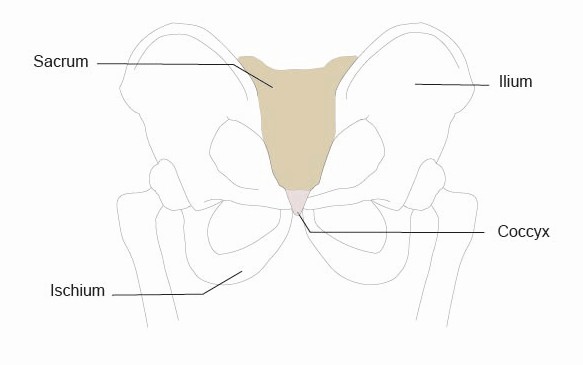
The sacrum is a triangular bone located at the base of the spine, just above the coccyx. It articulates with the fifth lumbar vertebra (L5) above, and with the iliac bones on each side, forming the back of the pelvis.
In adults, the sacrum consists of the fusion of five sacral vertebrae (S1 to S5). This fusion provides the strength and stability needed to support the body's weight while sitting or standing.
What Difference Between the Sacrum and the Coccyx?
- The sacrum is a wide, triangular bone that plays a key role in stabilizing the pelvis.
- The coccyx, located just below it, is a small bone made up of 3 to 5 fused vertebrae.
The coccyx serves as an anchor point for several muscles and ligaments of the pelvic floor, while the sacrum serves as a mechanical junction between the spine and pelvis.
Where Is the Sacrum Located?
The sacrum forms the posterior wall of the pelvis. It fits between the two iliac bones and connects to them via the sacroiliac joints, which are crucial for transferring force between the upper and lower body.
What Is the Function of the Sacrum?
1. Support Body Weight
The sacrum acts as the central pillar of the pelvis. It distributes the weight of the torso across the hips and lower limbs, ensuring optimal postural stability.
2. Provide Mobility and Force Transfer
Through the sacroiliac joints, the sacrum allows slight mobility between the pelvis and the spine. This flexibility is essential for walking and rotating the trunk.
3. Protect Nerve Structures
The sacrum houses part of the sacral nerves within its bony canal. These nerves control muscles in the legs and pelvic floor.
4. Contribute to Overall Balance
Thanks to its central position, the sacrum acts as a biomechanical hinge that supports body balance, whether standing or sitting.
Sacrum Pain and Disorders
Sacrum pain, also known as sacralgia, is relatively common. It can result from various issues such as poor posture, joint conditions, or inflammation.
Common Causes of Sacrum Pain
- 1. Trauma or fall: a shock to the pelvis can cause inflammation or, more rarely, a sacrum fracture.
- 2. Osteoarthritis or degenerative joint disease: the sacroiliac joints can become inflamed over time.
- 3. Pregnancy and postpartum: hormonal and postural changes place high demand on the pelvis and sacrum.
- 4. Poor sitting posture: prolonged sitting or a non-adapted seat increases pressure on the sacral area.
- 5. Excessive physical effort: lifting loads or performing repetitive movements incorrectly.
Associated Conditions
- Sacralgia: localized pain in the sacrum.
- Sacroiliac inflammation: often due to mechanical overload or inflammatory diseases.
- Radiating pain: pain felt in the sacrum but originating from another area (lumbar spine, hips, sciatic nerve).
Sacrum Pain or Lower Back Pain?
Sacrum pain is usually felt lower than lumbar pain. It appears just above the coccyx and may radiate to the hips or thighs, while lumbar pain tends to occur higher in the lower back.
How to Relieve Sacrum Pain
Treatment will depend on the root cause, but some simple actions can help reduce discomfort.
1. Improve Your Posture
Dynamic sitting, feet flat on the floor, and relaxed shoulders help reduce pressure on the sacrum.
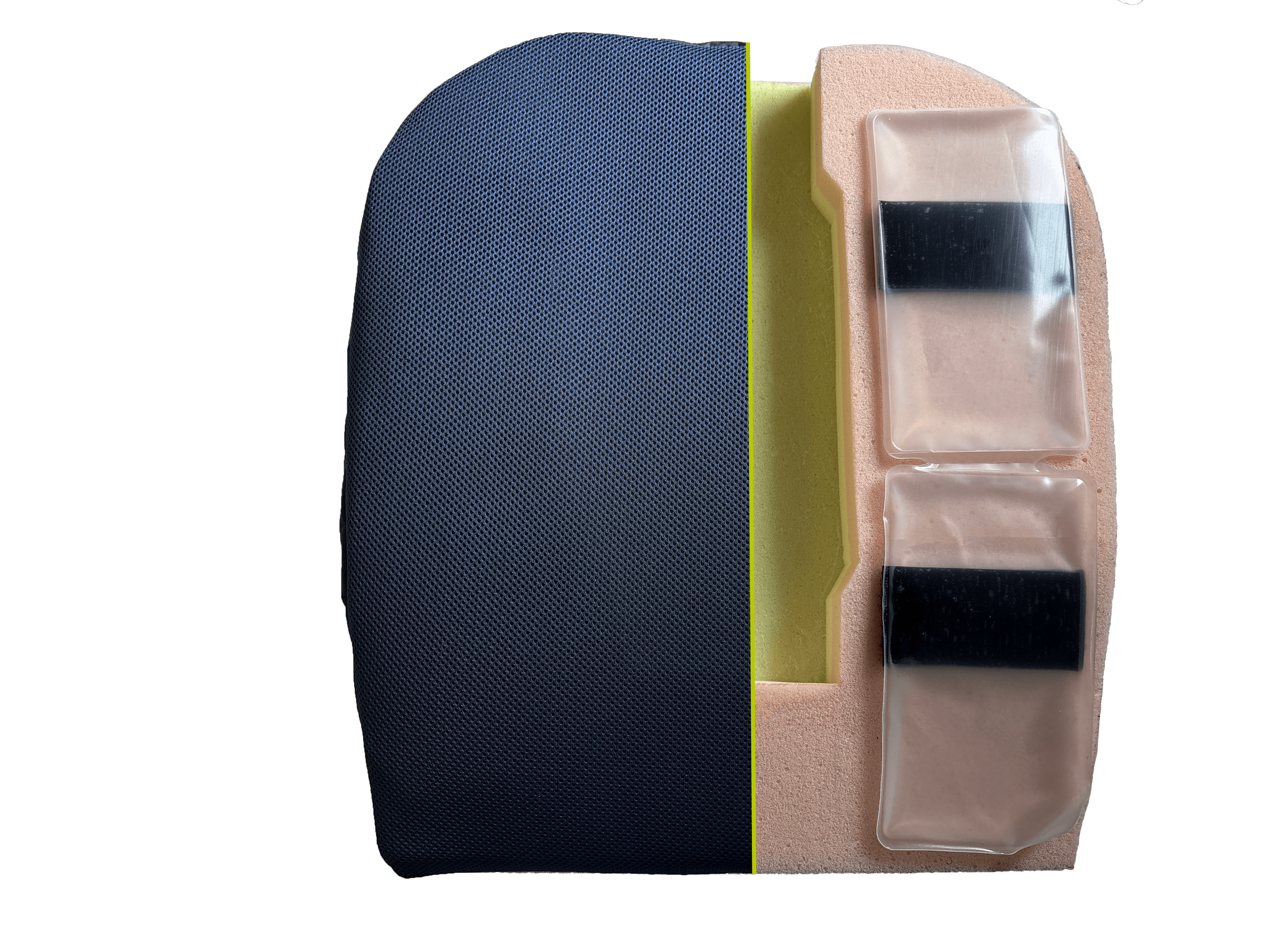
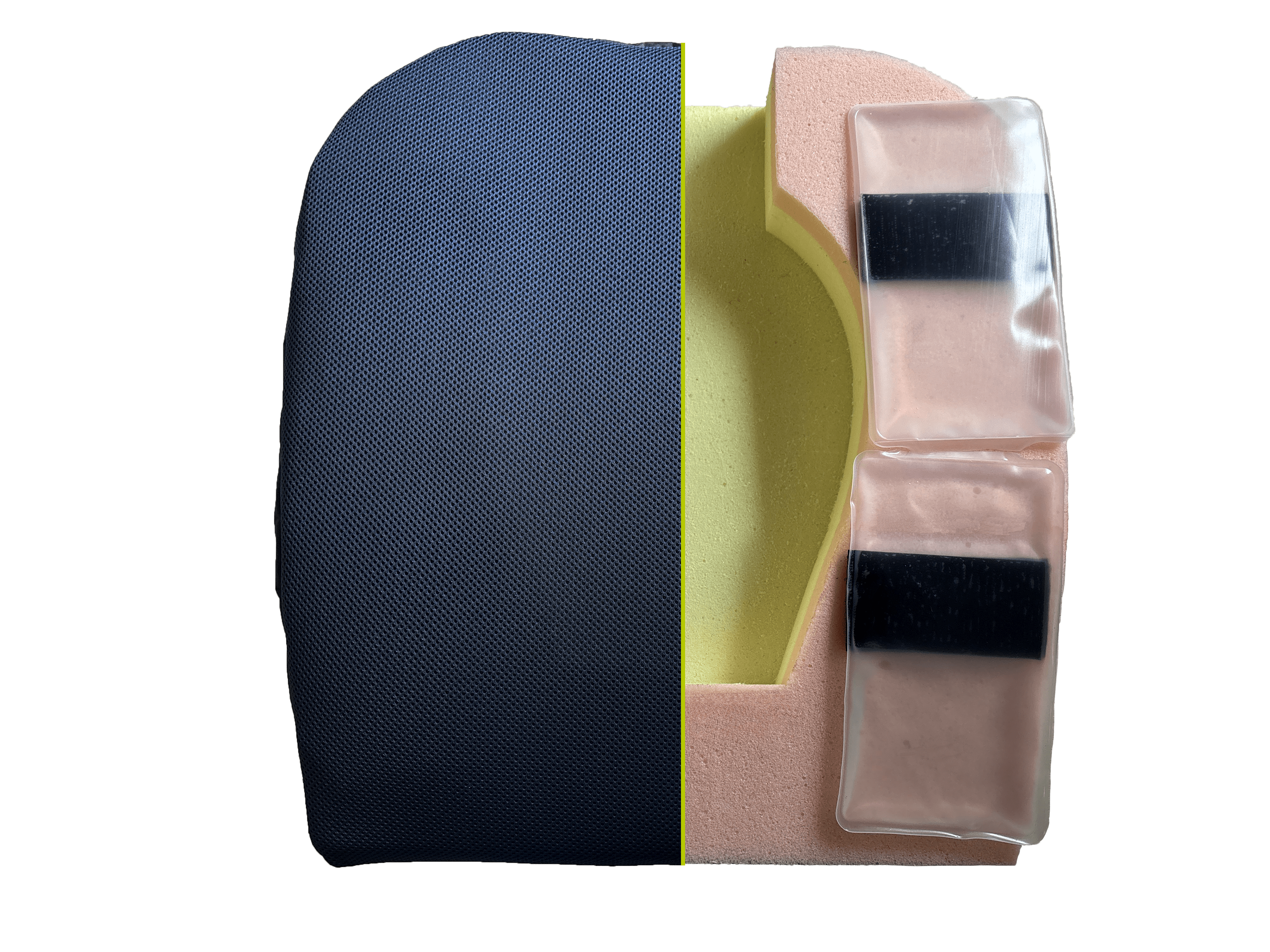
2. Use an Ergonomic Cushion
An ergonomic cushion is one of the best ways to prevent and relieve sacrum pain.
3. Apply Heat or Cold
Heat relaxes muscles and boosts circulation, while cold soothes nerve inflammation.
4. Do Gentle Stretches
Stretching the pelvis, glutes, and hamstrings helps reduce muscular tension and stiffness.
5. Consult a Healthcare Professional
For persistent pain, see a doctor, physiotherapist, or osteopath to determine the cause and get an adapted treatment plan.
Pain prevention and Sacrum Wellness
Here are a few tips to prevent sacrum pain:
- • Move regularly: avoid staying in the same position for too long.
- • Choose ergonomic seating: a good chair or cushion reduces pressure on the lower back.
- • Maintain a healthy weight: excess weight increases strain on the pelvis and sacrum.