

 Français

Why Standing at Work?
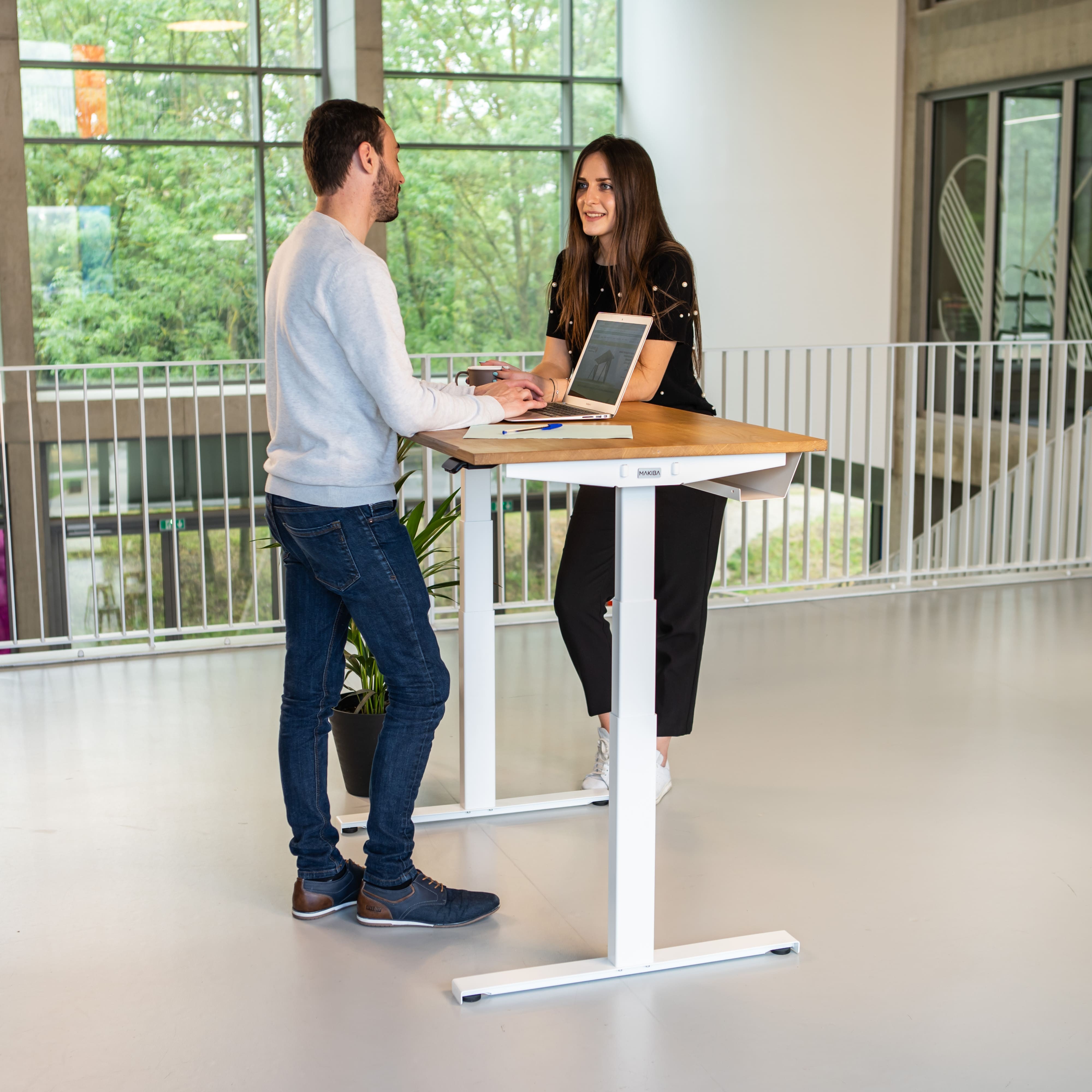
Standing work is becoming common among office workers. Driven by the growing popularity of height adjustable desks, standing work addresses a real concern: reducing the effects of sedentary behavior and work-related pain. But is standing at work enough to improve workplace comfort? And how do you do it right to enjoy the benefits without creating new tensions? Here’s what you need to know.
Is standing while working good for you?
Yes, standing while working can be beneficial… if keep alternating postures. Standing all day is just as bad as sitting for hours. The goal isn’t to replace one static position with another, but to introduce more movement throughout the day.
What are the benefits of standing at work?
Standing work, when done occasionally, offers several benefits:
- • Reduces the effects of a sedentary lifestyle: Standing naturally encourages movement — shifting your weight from one leg to the other, gently stretching your legs… Small micro-movements that counteract prolonged inactivity.
- • Boosts productivity and focus: Standing increases alertness thanks to better blood circulation and deeper breathing. Some tasks (phone calls, brainstorming) are even more dynamic while standing.
- • Improves circulation and muscle oxygenation: Alternating postures helps with venous return and better oxygenation, reducing leg heaviness and lower back tension.
How long should you work standing each day?
There’s no single ideal duration, but we recommend standing every 1.5 to 2 hours, depending on the tasks and how you feel.
Standing work is especially appreciated for:
- • checking emails
- • making phone calls
- • simple data entry
- • short or remote meetings
The key is to listen to your body: change posture as soon as discomfort sets in.
How to adapt your workstation for standing work?
There are several ways to easily incorporate standing work into your daily routine.
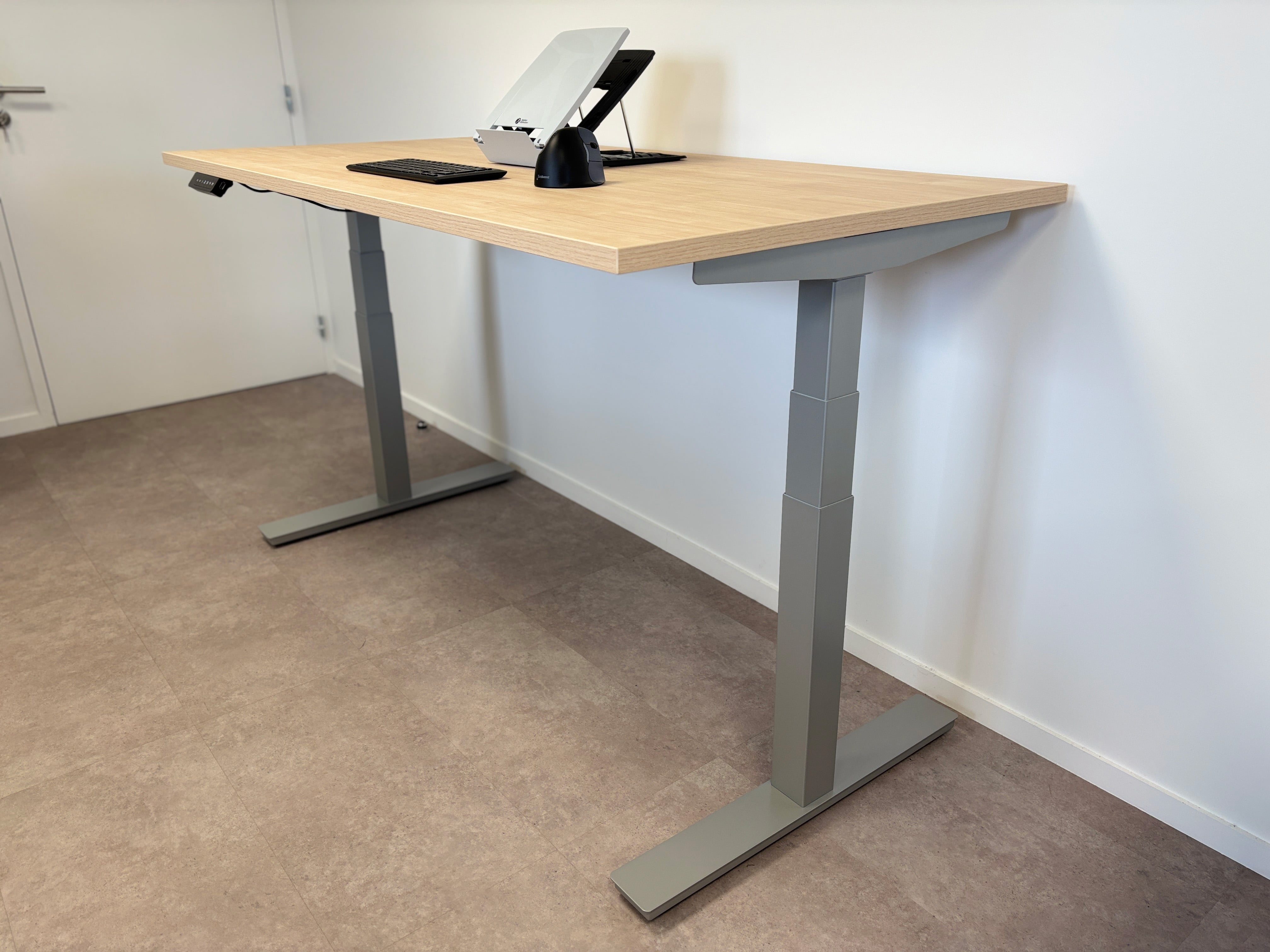
Option 1: The height adjustable desk
This is the most ergonomic solution.
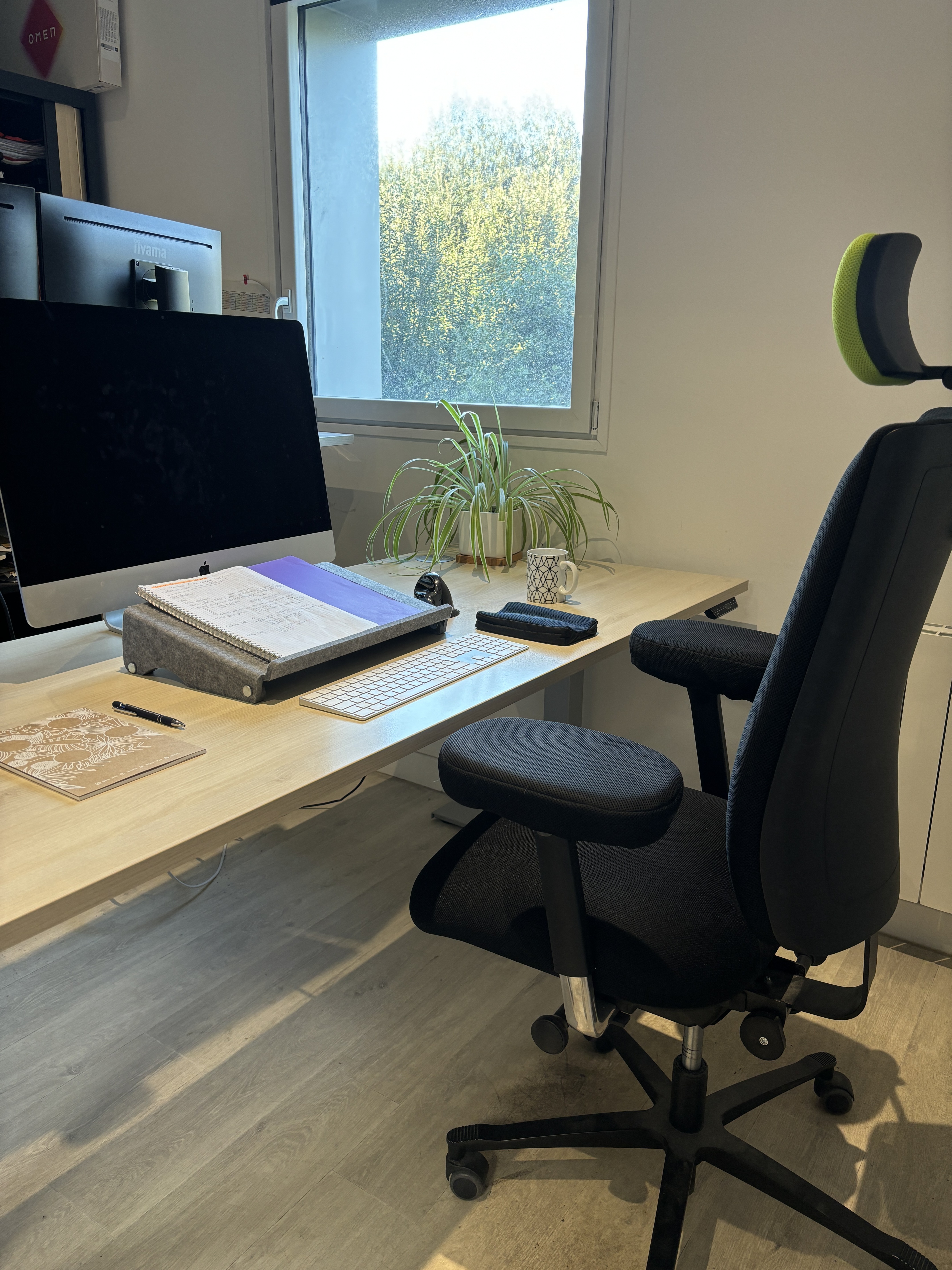
An adjustable desk allows you to switch from sitting to standing in seconds, while maintaining the ideal height for your arms and screen. Advanced models can save your preferred sitting and standing heights. Some electric desks even include a timer to remind you to switch positions.
Option 2: The desk converter
An affordable and very practical alternative to a fully adjustable desk.
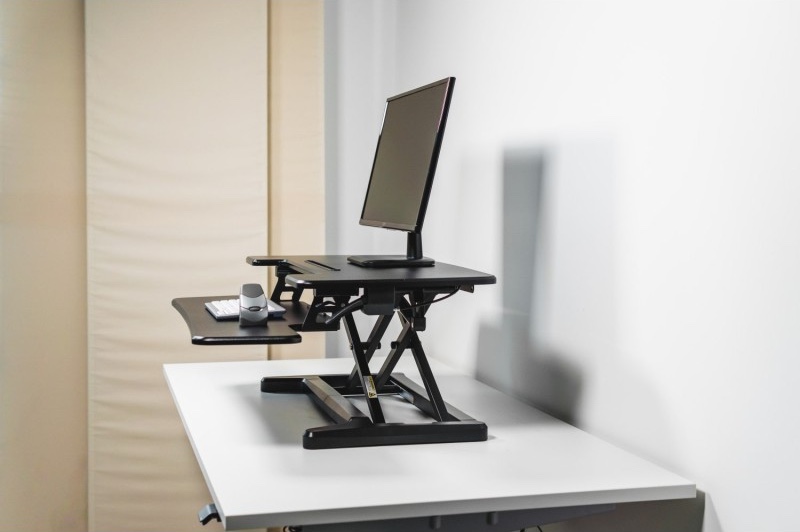
A sit stand desk converter sits directly on top of your current desk and transforms it into a height adjustable workstation without changing your existing furniture.
It typically offers two levels:
- • an upper platform for the monitor
- • a lower platform for the keyboard and mouse
This is an effective solution for trying out standing work or flexibly equipping shared workstations.
Standing at work to reduce pain: Key takeaways
Standing at work is an excellent way to reduce office pain, fight sedentary habits, and improve overall comfort… as long as you alternate positions and stay mobile. The goal isn’t to stand all day, but to move more and adapt your workspace to your body’s needs.