

 Français



Pudendal Nerve: Comparison of the Best Cushions to Relieve Pain
Pudendal neuralgia, still relatively unknown to the general public, causes often high daily pain. This pain located in the perineal area, is related to irritation or compression of the pudendal nerve within Alcock’s canal.

Among non-drug solutions, the use of a pudendal cushion can help reduce pain while sitting. Ergotech designed two high quality cushions to relieve pudendal neuralgia: the Alcock Rest cushion, and its new version with memory foam. How do you choose the one that best suits your needs? Here’s a full comparison to help guide your choice.
What Is a Pudendal Cushion?
A pudendal cushion is an ergonomic seating aid designed to relieve pressure on the perineum and, more specifically, the pudendal nerve. It's commonly recommended for patients with Alcock’s canal syndrome.
The goal is to provide comfortable support while reducing pressure points and friction on the painful areas. It’s a helpful everyday tool for managing pudendal neuralgia—at home, at work, or in the car.
Overview of the Two Pudendal Cushion Models
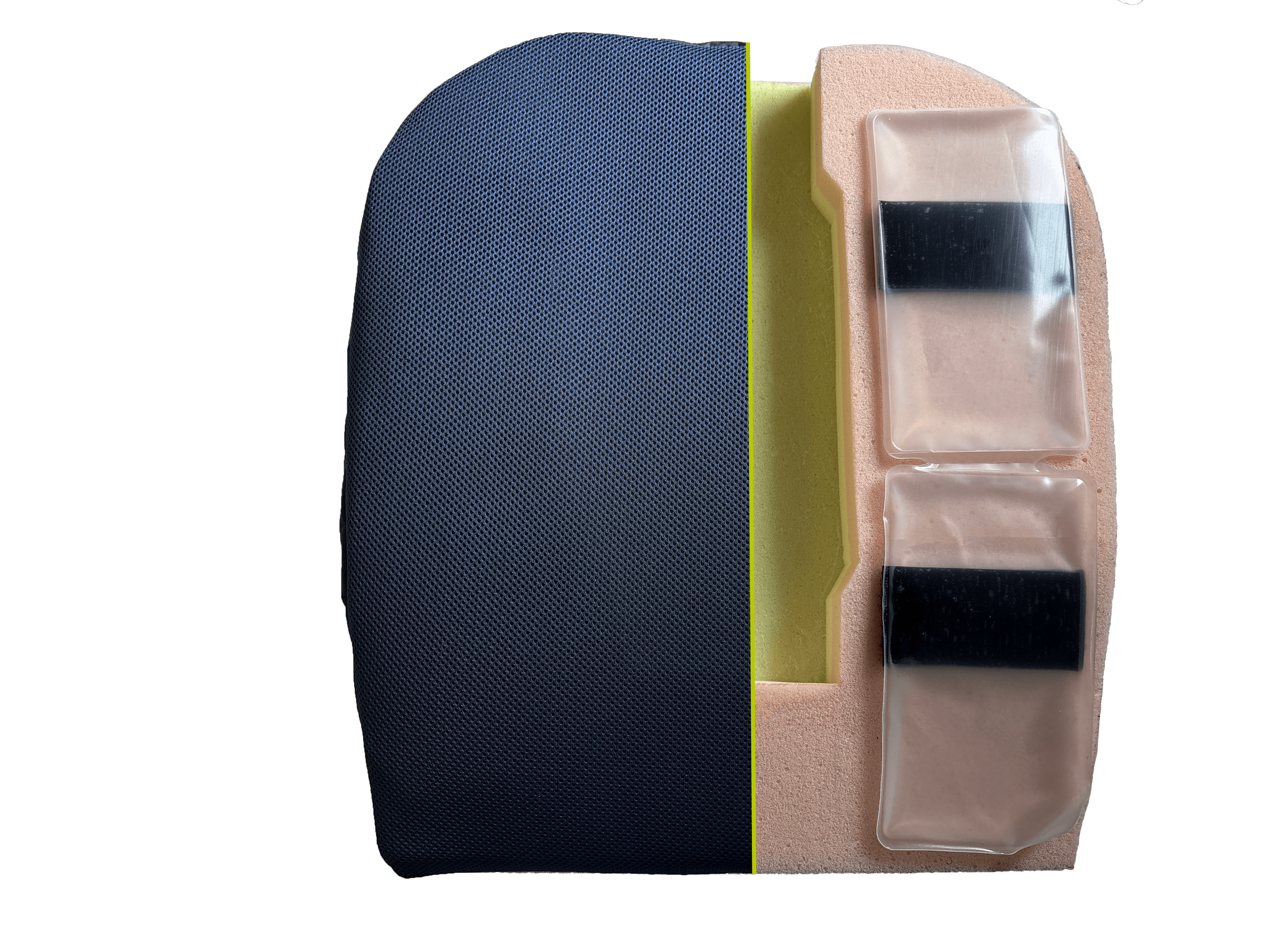
Alcock Rest – High Viscosity Fluid Version
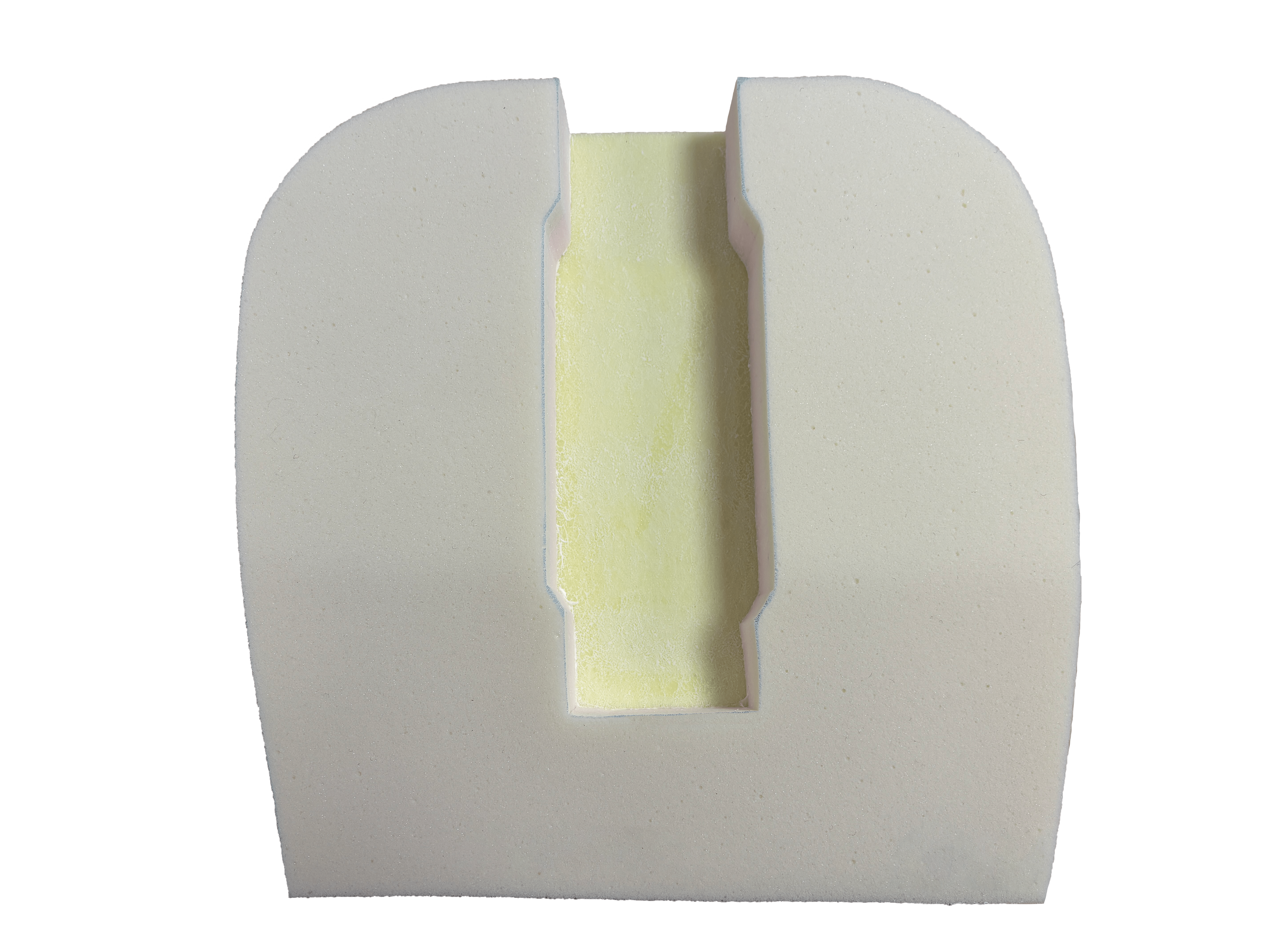
The Alcock Rest cushion is specifically designed for individuals with pudendal neuralgia. A specific cut-out relieves pressure on the pudendal nerve area:
- - High-resilience foam with high-viscosity fluid inserts
- - Shape designed to relieve pressure on Alcock’s canal
- - Four fluid pockets adapt to your movements and weight to minimize pressure
- - Excellent shock and micro-vibration absorption if used in car
- - Suitable for home, office, or driving
Pros: lightweight, easy to transport, discreet design

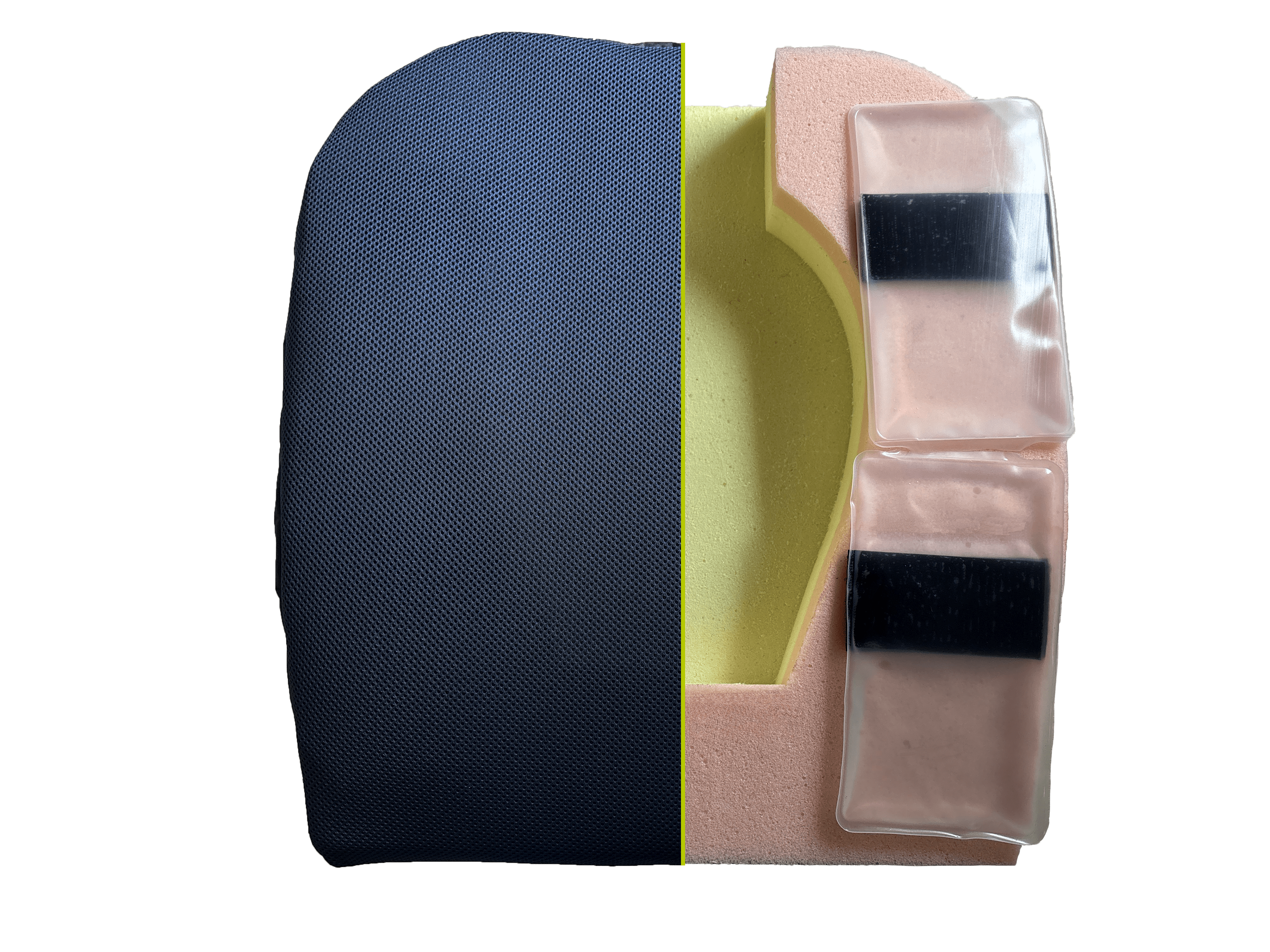
Alcock Rest – Memory Foam Version
This new version of the pudendal cushion by Ergotech features the same cut-out but replaces the fluid pockets with memory foam:
- - High-resilience and memory foam structure
- - Ergonomic shape to relieve pressure on Alcock’s canal
- - Distributes pressure across thighs and buttocks, ideal for muscular sensitivity
- - Less shock/vibration absorption (due to the absence of fluid pockets)
- - Recommended for piriformis syndrome or myofascial conditions
Pros: overall pressure reduction, soft surface
Comparison of the Two Pudendal Cushions
| Criteria | Alcock Rest – HV Fluid Version | Alcock Rest – Memory Foam Version |
|---|---|---|
| Targeted relief for the pudendal nerve | ✅ | ✅ |
| Manufacturing | Made in France | Made in France |
| Customizable | ✅ | ✅ |
| Composition | High Resilience Foam High Viscosity Fluid |
High Resilience Foam Memory Foam |
| Shock and micro-vibration absorption | Excellent | Moderate |
| Best for | All profiles | People with muscular sensitivity, myofascial syndrome, or piriformis syndrome |
Which Pudendal Cushion Should You Choose?
The choice of your pudendal seat cushion depends on your specific profile and pain:
- • The Alcock Rest cushion was developed specifically for Alcock’s canal syndrome. With its targeted cut-out design, durable materials, and custom options, it’s a versatile cushion suitable for anyone affected by pudendal neuralgia.
- • The new memory foam version is aimed at people with muscular sensitivity in the thighs and buttocks. The memory foam layer softens the sitting experience and helps relieve pressure across all contact areas. It is also thicker than the High Viscosity Fluid version.
In 2024, Ergotech helped 300 people suffering from pudendal and cluneal pain. Why not give it a try ?
Conclusion & Additional Tips
A pudendal cushion can play a key role in relieving pudendal neuralgia. Since each case is unique, we recommend consulting a healthcare professional or a pudendal neuralgia specialist for personalized support.
Find more information about our products directly on our website: